Norman Sparnon OAM
Pioneer of Ikebana in Australia, 1913–1995

Norman Sparnon OAM was a visionary master who pioneered the Sogetsu School in the West. Having studied directly under the school's founder, Sofu Teshigahara, Sparnon's artistry fused bold Japanese avant-garde principles with Australia's unique flora, forever changing the landscape of modern Ikebana.
Early Life & Japan
Born in Melbourne in 1913, the youngest of a large family, Norman Sparnon developed a fascination with Japanese culture from an early age. As a young man, he taught himself the language with remarkable dedication, becoming highly proficient in both speaking and reading Japanese.
When World War II began, he enlisted in the Australian Army, and his language skills quickly proved invaluable. After the war, he was seconded to General Douglas MacArthur's army of occupation in Japan, where he served with distinction as a Japanese language officer, holding the rank of Major.
He remained in Japan for twelve years — years that would shape the rest of his life. It was there that he met and married his American-born wife, Mary, and began his studies in ikebana.


His Contribution to Australia
From 1960 until his death in 1995, Norman worked tirelessly to bring ikebana to every state in Australia and to several cities in New Zealand. He promoted the establishment of Ikebana International chapters across the country, serving as an honorary adviser, and gave generously of himself as teacher, author, translator and friend to countless students and colleagues.
His worldwide tours brought international recognition not only to him personally, but to ikebana as an art form in Australia. In everything he did, he was thoroughly professional — and his dedication to his students and to his art never wavered.
Australia and Japan both acknowledged the significance of his contribution:
1979 — Medal of the Order of Australia (OAM), for services to floral art
1983 — Medal of the Order of the Rising Sun, Fifth Class (Japan), for furthering cultural relations between Australia and Japan.
1991 — First Sofu Teshigahara Memorial Award, presented by the Sogetsu School
All three were richly deserved, recognising an outstanding contribution to a unique, challenging and deeply rewarding art.
The Norman & Mary Sparnon Foundation — His Legacy Lives On

Norman's legacy endures through the Norman & Mary Sparnon Foundation, established to carry forward his lifelong commitment to ikebana in Australia.
The Foundation funds a scholarship sending Australian practitioners to Sogetsu Headquarters in Tokyo for a three-month residency — deepening their study at the very source of the Sogetsu tradition, and bringing that knowledge home to enrich the teaching of ikebana across Australia. The Foundation also funds visits by Sogetsu Headquarters masters to Australia, enabling workshops and demonstrations that would otherwise be beyond the reach of the Australian ikebana community.
Nine scholars from across Australia have made that journey to Tokyo since the scholarship was established. Three of those recipients have come from NSW — a reflection of the strong tradition Norman built here. The ninth and most recent recipient is Hiroko Prado, Director of Sydney/NSW Branch, who completed her three-month residency at Sogetsu Headquarters in Tokyo.
Norman's belief — that ikebana builds bridges between people and between cultures — lives on in every one of them.
He is remembered with affection and respect by his many students, whose lives he enriched as they travelled with him along the ikebana way — as indeed his own life had been so enriched, many years before.

His Ikebana Journey
Norman studied first with Kobayashi Sensei of the Einghin School, then with the great Sofu Teshigahara, founder of the Sogetsu School, and later still with Professor Yuchiku Fujiwara of the Ikenobo School. Across these years of dedicated study, he combined outstanding creative talent with excellent technique — and found his life's calling.
During this time he wrote his first book, Japanese Flower Arrangement — Ancient and Modern, and undertook worldwide tours that were critically acclaimed wherever he went. He came to be regarded as the best-qualified and leading master of ikebana in the Western world.
After touring widely, Norman chose to return to Australia, settling in Sydney with Mary and committing himself wholeheartedly to promoting Australian–Japanese relations through his art.
Remembered with Affection
He is remembered with affection and respect by his many students, whose lives he enriched as they travelled with him along the ikebana way — as indeed his own life had been so enriched, many years before.

Master of Ikebana: Lifetime Achievement Award
Order of the Rising Sun ✽
Government of Japan, 1982
Sogetsu Art Award ✽
Sogetsu Foundation, Tokyo
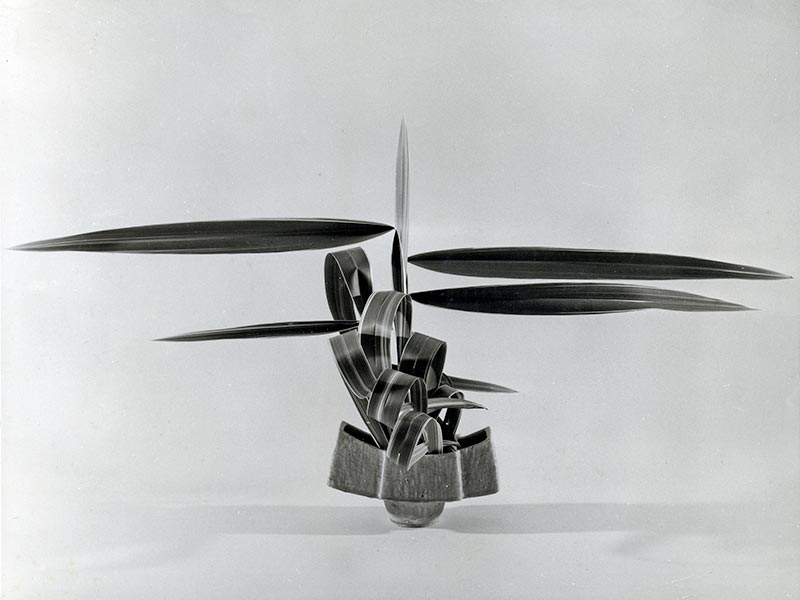
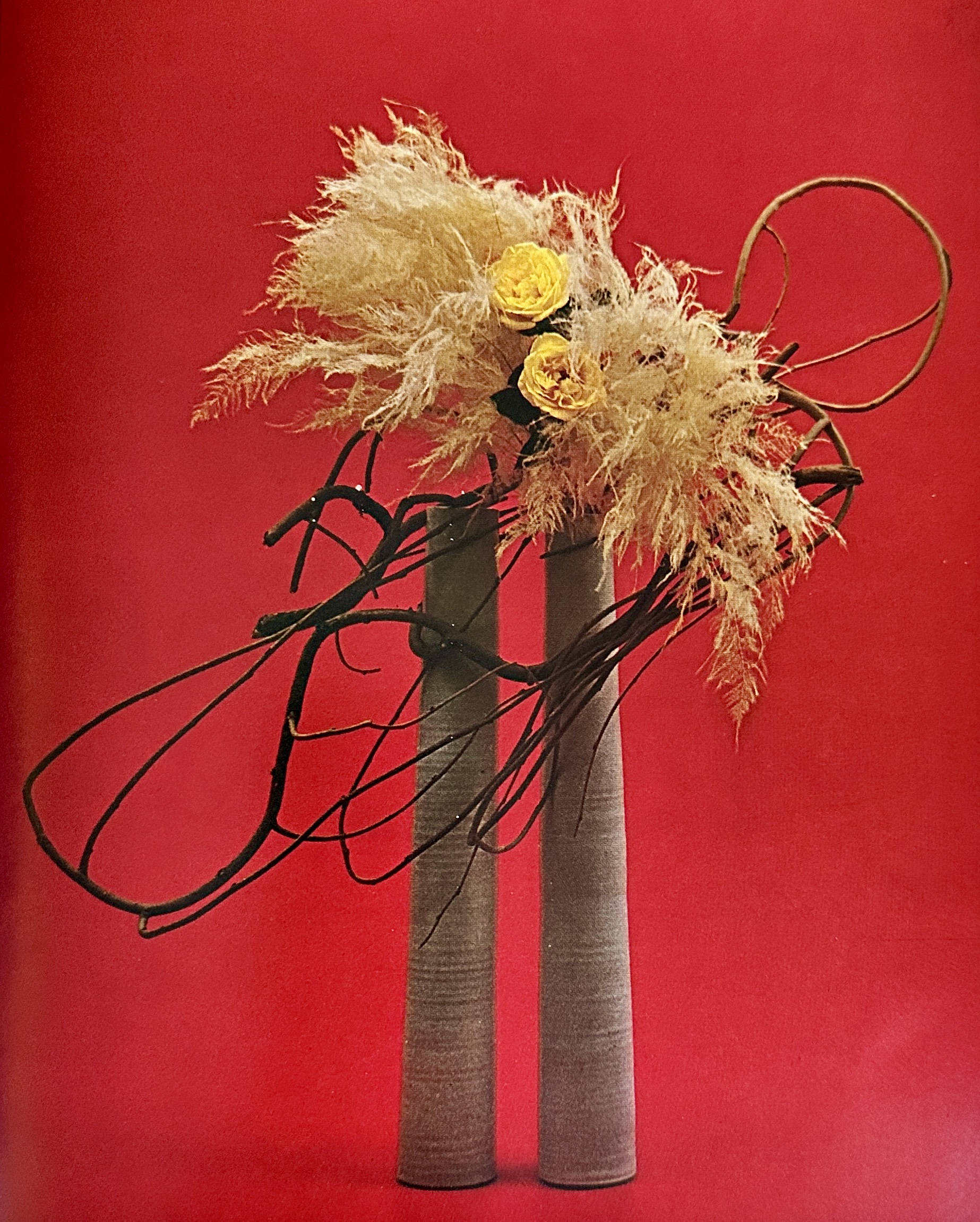
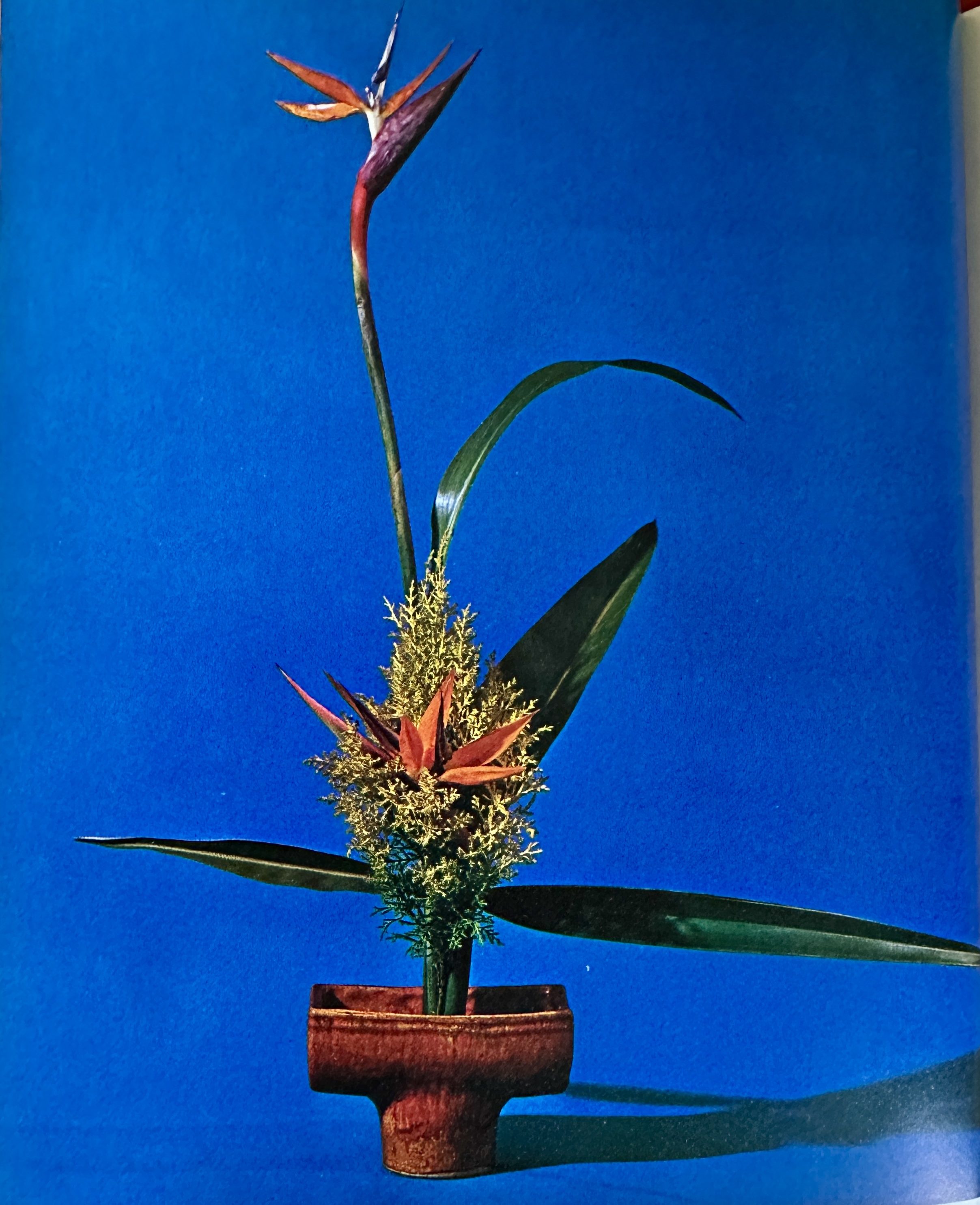
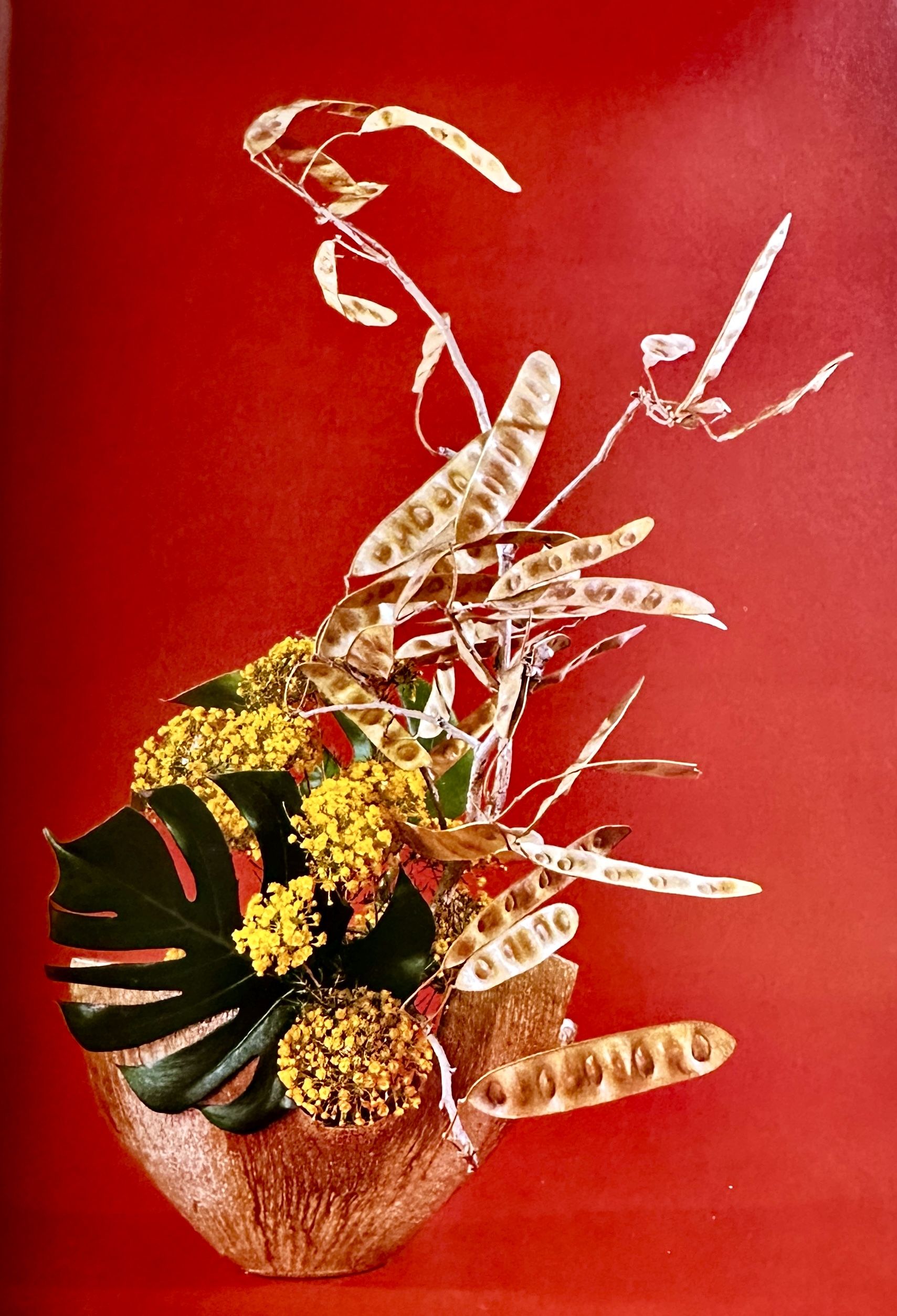
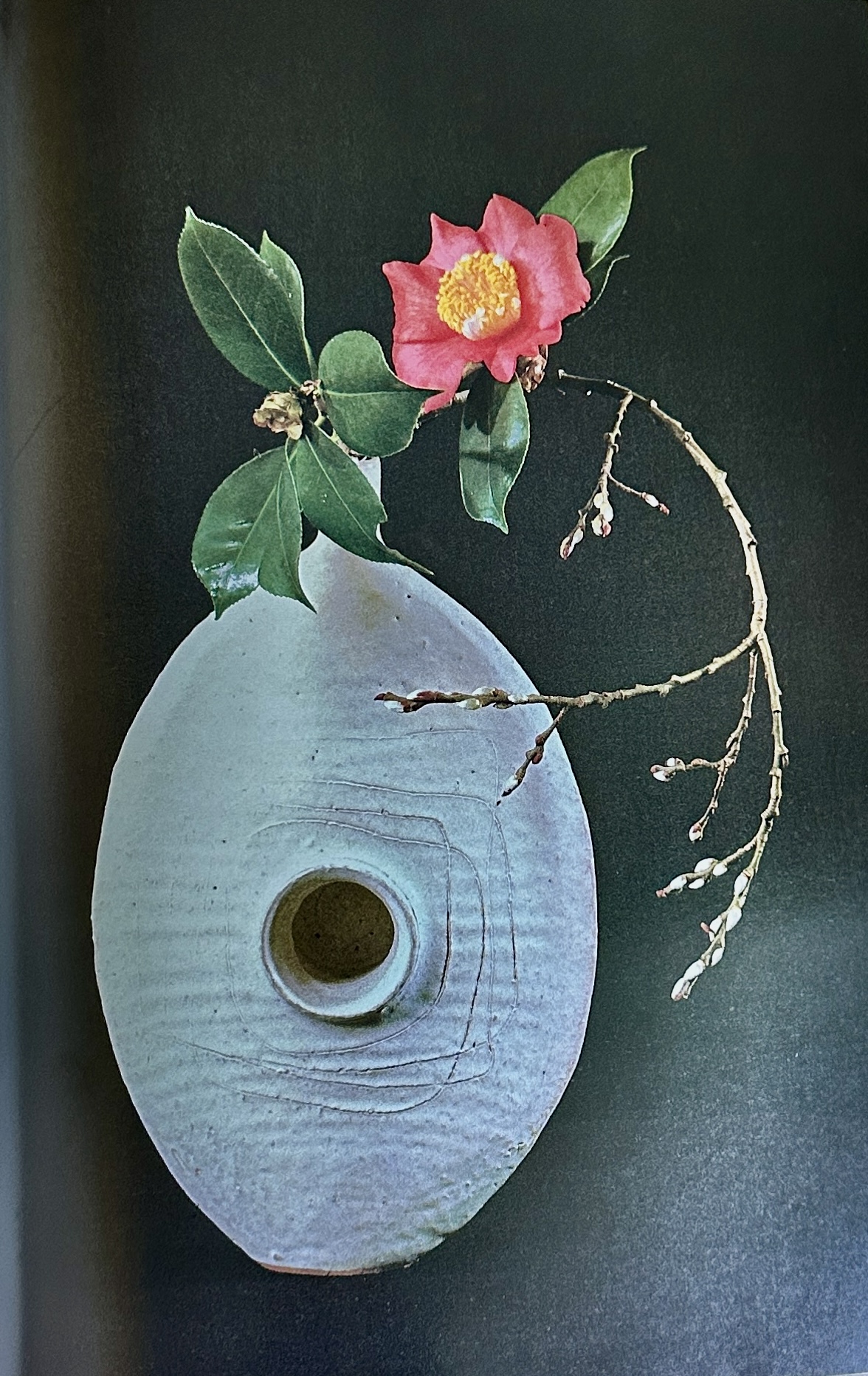
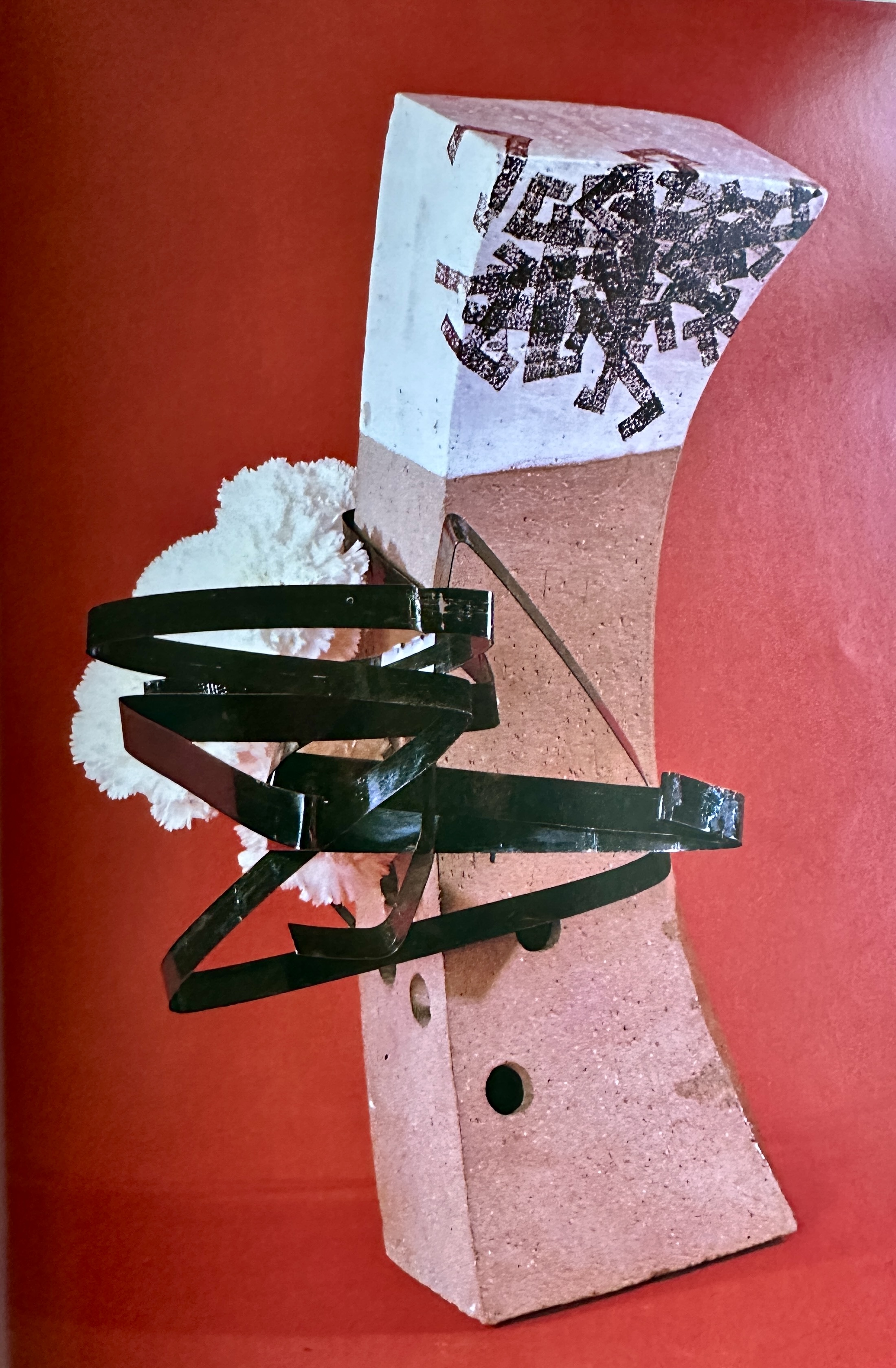
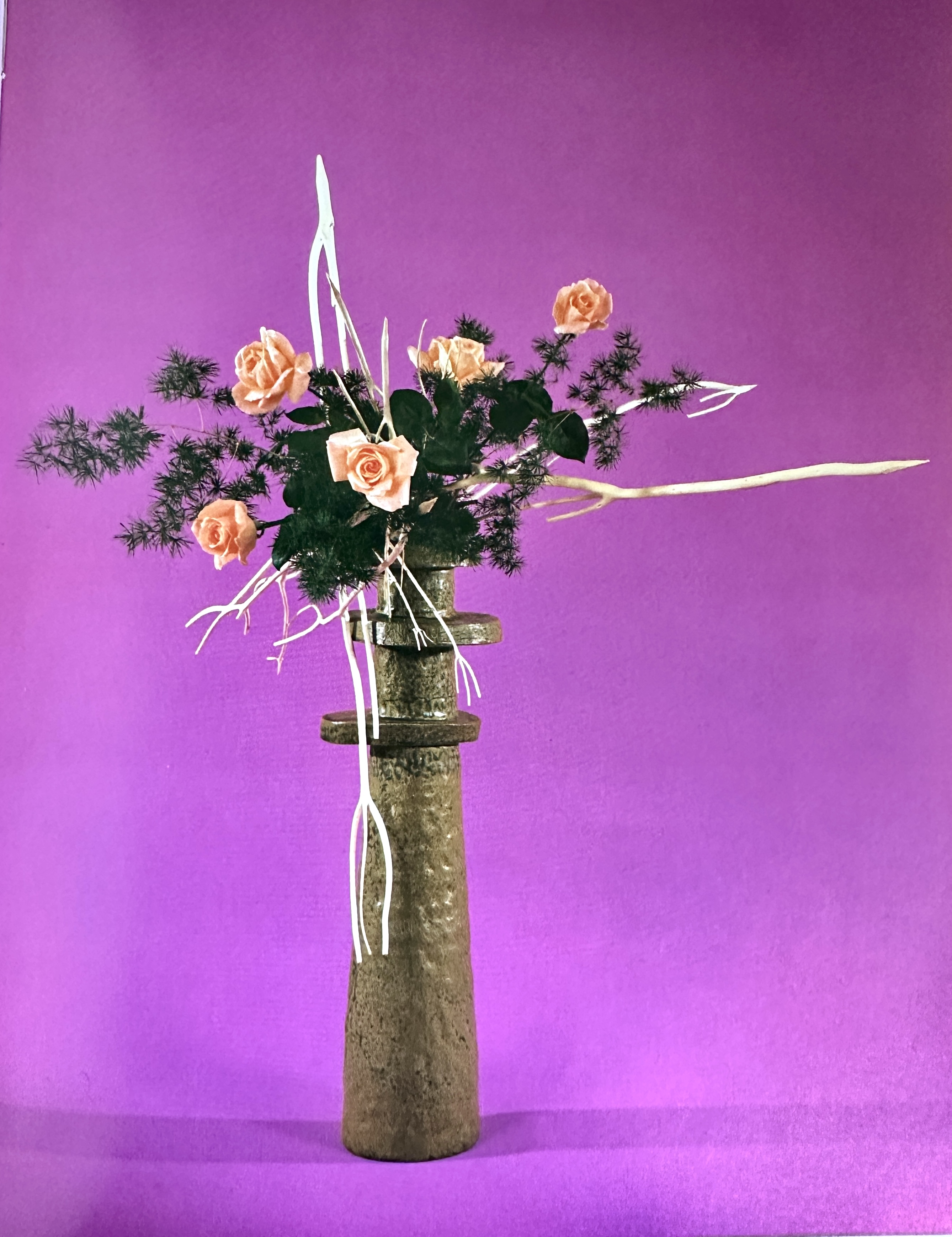
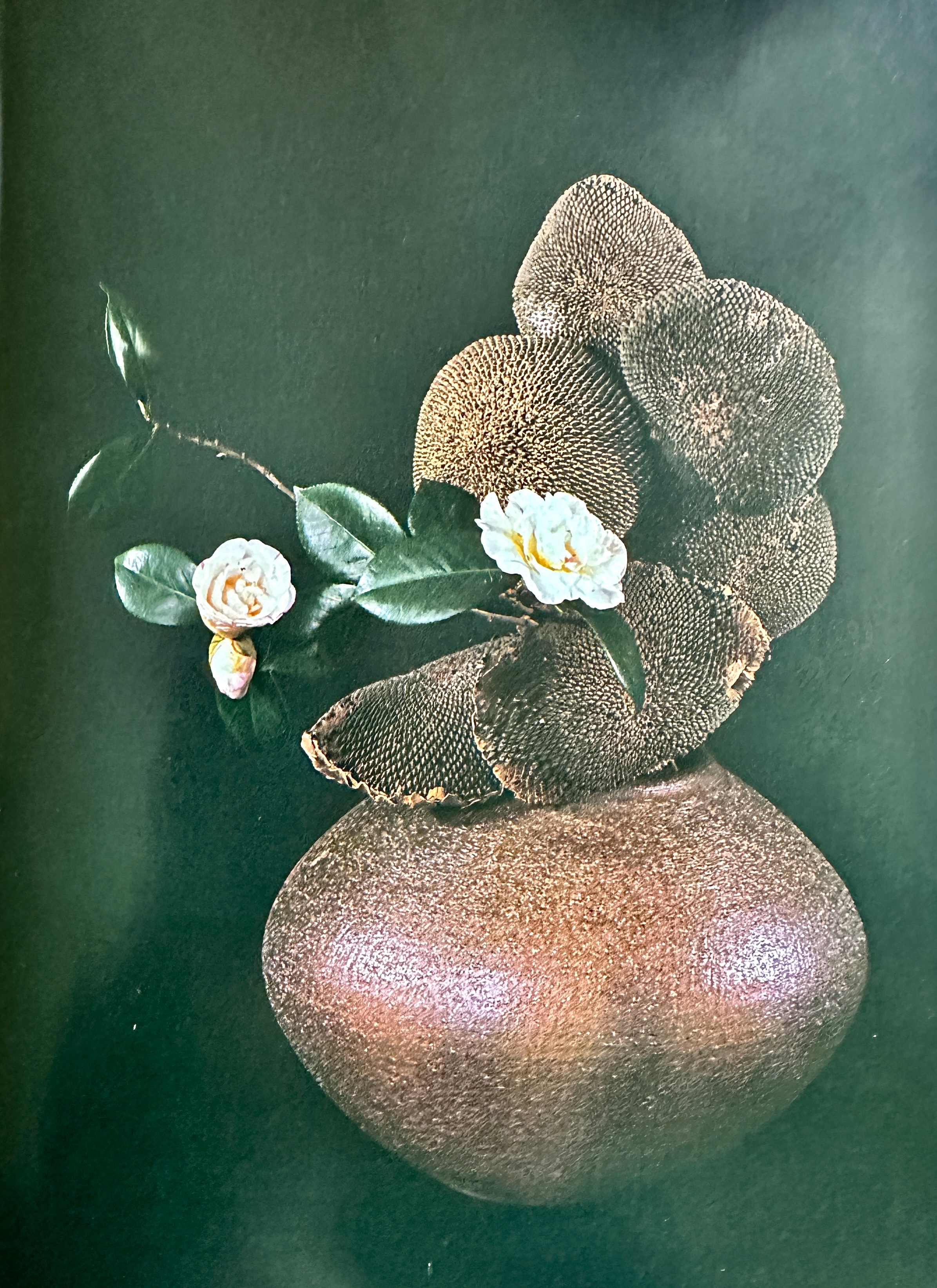
Gallery of Significant Works


CONTINUE THE JOURNEY
Explore His Teachings
Norman Sparnon was a prolific author whose books introduced ikebana to readers across the world. His written work spans more than three decades, from his first publication in 1960 to his final major work in 1991.